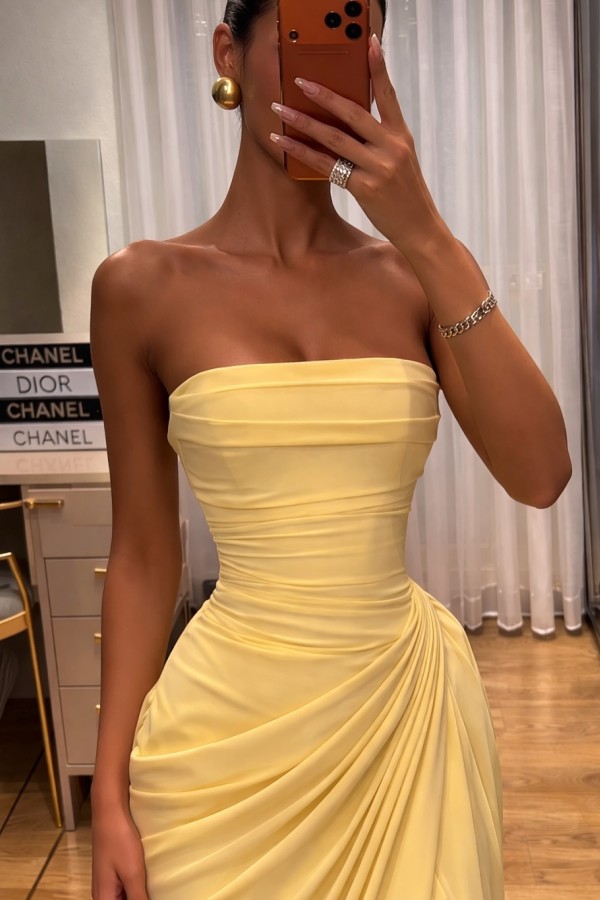
Shimmering fabrics differ mainly in how their surface distributes light and how the fabric drapes. Satin can show larger bright areas, while glitter and visible embellishments tend to create individual reflections; the exact effect depends on the particular dress.
For your 2027 prom, it is therefore worth comparing the surface, movement, and feel when worn. The name alone reveals neither the fiber nor the weight or construction. First decide what kind of shimmer you like, then examine the specific design.
The essentials at a glance
| Overall shimmer | Consider larger areas of light together with pleats and draping. |
| Individual reflections | Compare the density and distribution of glitter or embellishments. |
| Fabric drape | Assess the surface, underlying layer, and skirt movement separately. |
| Contact points | Check the underarms, waist, and arm movement during a fitting. |
Rule of thumb: The 3-Light-View Rule: Compare a favorite in daylight, under warm indoor lighting, and in motion. Each time, focus on the same area instead of judging only the brightest image.
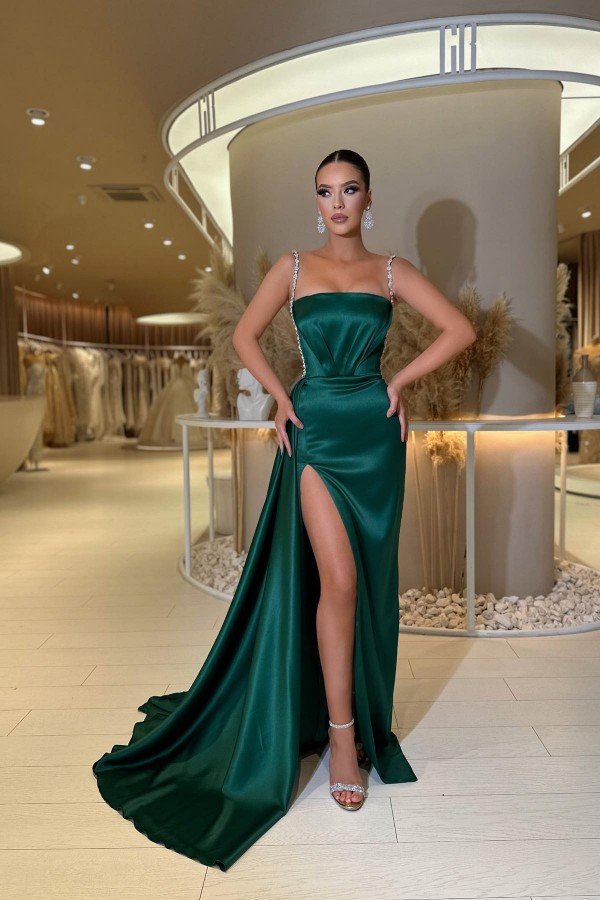
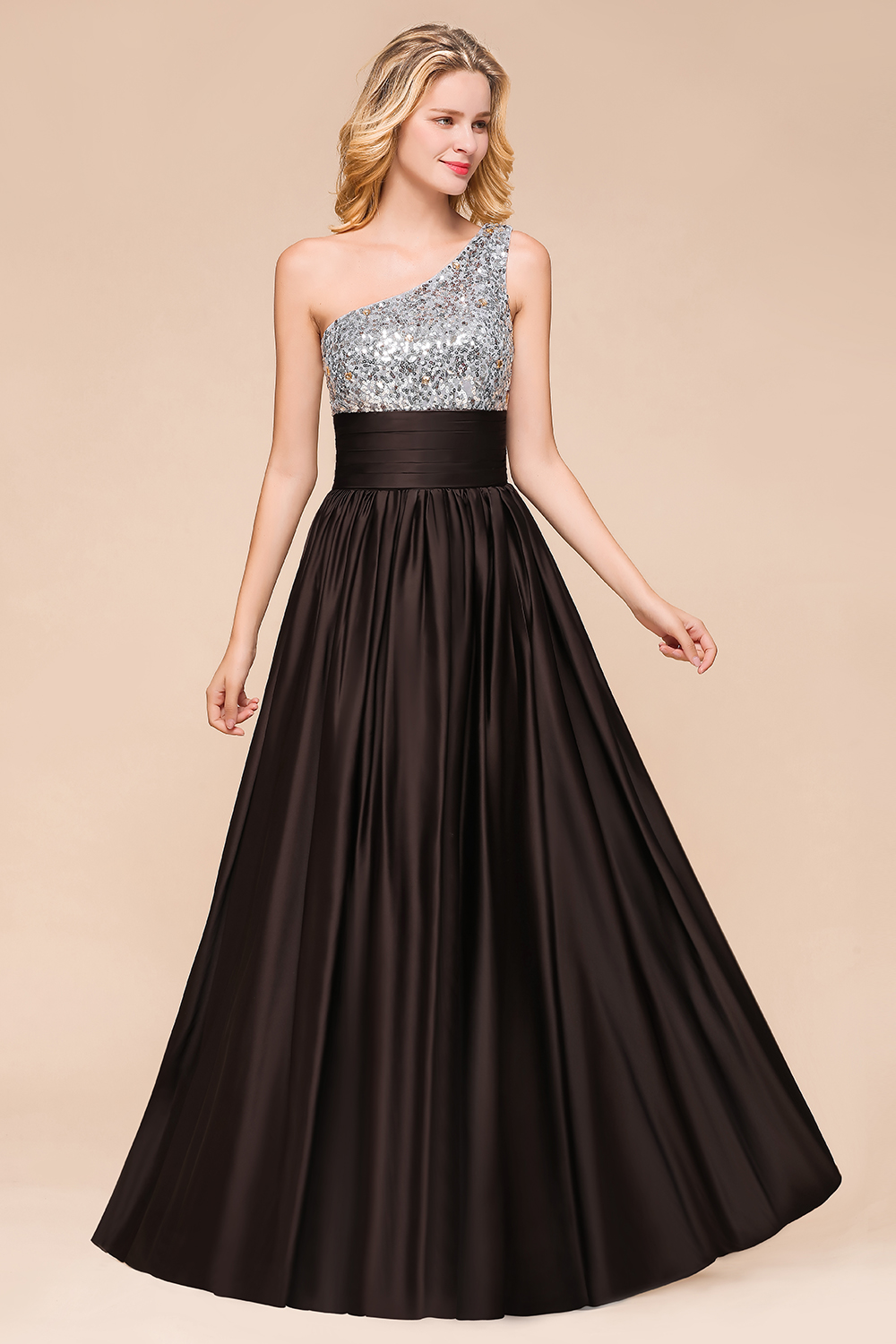
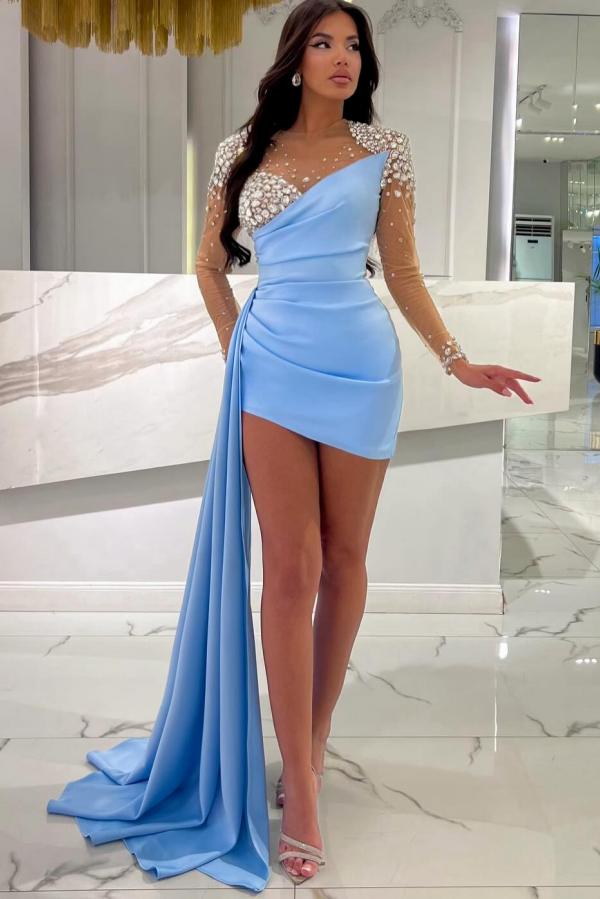
What kind of shimmer does the surface show?
Recognizing satin as an overall shimmer
With a smooth satin surface, larger light and dark areas often stand out. Pleats and curves alter this distribution. As a result, a skirt with a calm appearance can suddenly look much more distinctly defined under side lighting than in an evenly lit image.
Satin refers to a textile weave and is not another name for silk. You need to check the model details for the exact fiber composition. Weight, hand feel, and stretch also cannot be reliably determined from the shiny appearance alone.
With a simple design, pay particular attention to the seam lines and the pleats below the waist. Here, the surface contributes significantly to the overall impression. If you like this clean effect, you do not automatically need additional embellishments for a formal look.
Distinguishing glitter from visible embellishments
Glitter initially describes a visual effect. The word does not yet specify exactly how that effect is created. In an image, fine shiny dots may look similar to small applied elements, even though the actual surfaces differ.
Therefore, only describe a visible detail as a sequin or pearl when the description or a clear close-up confirms it. A light spot in a small thumbnail is not enough. If the construction is unclear, initially describe only the visible shimmer.
Also pay attention to the distribution. Evenly placed reflections create a different surface effect than a few shiny areas on the bodice. A dress can appear understated overall and still have a clearly sparkling focal point once it is in motion.
Comparing shimmer density and contrast separately
The number of visible reflections and their contrast with the base color are two different features. Bright points on a dark background often stand out clearly. If the base and embellishments are similar in color, the same area may appear more uniform.
Whenever possible, compare similar image crops. A strongly lit detail photo shows more individual reflections than a distant full-length image in the shade. This photographic difference is not proof that one dress sparkles significantly more than another.
Describe your preference specifically: a calm shimmer, fine continuous reflections, or an emphasized bodice. This allows you to categorize different designs meaningfully. The general word shiny is usually too vague for a targeted selection.
How do fabric drape and movement change the impression?
View the surface together with the skirt
A broad area of light changes with the pleats of the skirt. A smooth, flowing design creates different transitions than a more voluminous cut. Therefore, do not assess only a section of fabric; also consider its effect on the overall silhouette.
An elaborate bodice and a calm skirt create a clear focal point. If the same effect continues to the hem, the entire length becomes part of the shimmer pattern. Both solutions can look formal; what matters is the distribution you personally prefer.
First compare your favorites with a similar skirt width. If you change simultaneously from narrow to voluminous and from matte to highly shiny, it becomes harder to identify the decisive difference. An organized comparison makes your decision easier to understand.
Consider the underlying layer and transparent layers
A shiny outer fabric can lie over a differently cut layer. This underlying layer affects how the skirt drapes and how solid its color appears. In an image with a moving hem, such differences can sometimes be seen more clearly than when the dress is still.
Tulle is a net-like structure and is not synonymous with a specific glitter effect. It can look understated or be decorated with additional details. Therefore, do not automatically transfer your impression of a previous tulle dress to a new design.
Check which areas are lined according to the description and where a transparent effect is intended. A dark background can visually close gaps that become more noticeable in daylight. A single image therefore does not always answer this question completely.
Assess movement rather than a single pose
Turn slowly and take a few steps during a fitting. Observe whether you like the changing reflections and whether the skirt shows the movement you want. A particularly bright moment is only a brief view, not a complete picture of the dress.
Bend your arms slightly and then let them hang loosely again. This also changes the lighting on the bodice. Check whether the focal point remains where you want it or whether a particular embellished area attracts significantly more attention than expected.
For making your choice, brief personal notes can be more helpful than many similar photos. For example, describe a calm area of light on the skirt or individual reflections at the neckline. This will help you remember the effect later without using a particular image as your only judgment.
What matters when actually wearing it?
Check edges and contact points directly
The most beautiful surface cannot replace comfortable construction. During a fitting, pay particular attention to the underarms, neckline, and waist. Edges, seams, or embellishments may come into contact with your skin there, even if they barely stand out in the photo.
Move your arms forward and sit on a regular chair. Observe whether an edge rubs or the bodice shifts. Visible shimmer does not explain how a contact point feels; that requires checking the finished dress.
Also consider whether bracelets or a bag could catch on the surface. Try the intended accessories together with the design instead of assessing their effect separately. This helps you identify practical interactions before making your final choice.
Do not guess the weight or freedom of movement
A densely embellished fabric may behave differently from a smooth one, but its overall weight cannot be reliably determined from a small image. The lining, cut, and number of layers also play a role. Therefore, do not infer the feel when worn solely from the visible effect.
When sitting down and standing up, the dress should return to its intended position without constant readjustment. Also check your usual stride. A comfortable surface is of little help if the specific skirt shape unnecessarily restricts the movements you want to make.
Compare the measurements of the individual model with your own measurements. Your familiar clothing size is only a starting point. A change in the fabric finish or cut is a good reason to go through the measurement comparison again from the beginning.
Read the care instructions on the complete dress
Do not infer a care treatment solely from the word satin, tulle or glitter. The finished dress includes additional layers and possibly extra embellishments. Follow the instructions provided for this exact model and clarify any open questions before treating it.
The GINETEX care symbols help you read the care label. Keep the available information together with the model details.
Storage also calls for a close look at the surface. Avoid unnecessary rubbing against rough objects and check which details appear delicate. Such a visual inspection is a practical addition, but it does not replace specific care instructions.
How do you compare shiny fabrics at babyonlinedress?
Choose by asking a clear question about the surface
Start your selection of prom dresses at babyonlinedress by asking what kind of light effect you are looking for. Look for an all-over sheen, fine reflections or a limited glittering trim. This distinction is more specific than simply searching for as much shine as possible.
Assess each favorite based on its own images and details. A keyword in the name does not replace a clearly visible close-up. If the material information and visible surface do not clearly match, note the uncertainty instead of claiming a specific finish.
The following models are starting points for comparing visible surfaces. Check each one yourself to see which detail interests you and what information is available about it. This creates a selection based on characteristics rather than merely on the order of attractive images.
Evaluate the sheen level and fit separately
Divide your decision into two steps. First choose the desired surface, then check the neckline, waist position and movement of the skirt. A strong glitter effect should not distract you from how the dress actually fits.
If several favorites remain, compare the point where they differ most clearly. This could be the even surface of the skirt or the trim on the bodice. A single specific question often helps more than repeatedly looking at every detail.
Also keep at least one more understated alternative in the comparison. This alternative helps you assess how much surface effect you really want. This way, you can define your personal focus more precisely.
Assess your prom look as a complete combination
Choose shoes, a bag and jewelry once the finish of the dress has been decided. Several strongly reflective elements can draw attention to many different areas. A deliberate order makes it clearer which piece should define your outfit.
Test the selected accessories with the same movements as the dress. Pay particular attention to your arm position and the contact between the bag and the fabric. The finished look should feel harmonious not only in one pose, but also during your planned activities.
For your 2027 prom, choose the level of shine that you like and that feels comfortable to wear. Clear model details and a good fit will help you compare current prom dresses selectively. This allows you to combine the desired effect with your practical requirements.
Suitable dresses from our shop
Pink prom dress with lace – with glitter.
Light blue lace dress – with long sleeves.
Gold-colored prom dress – with decorative trim.


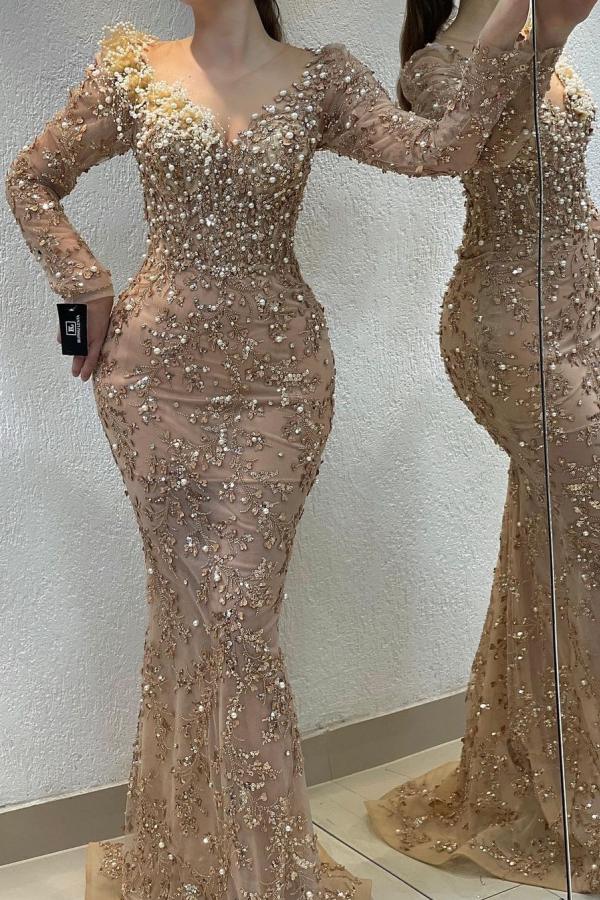
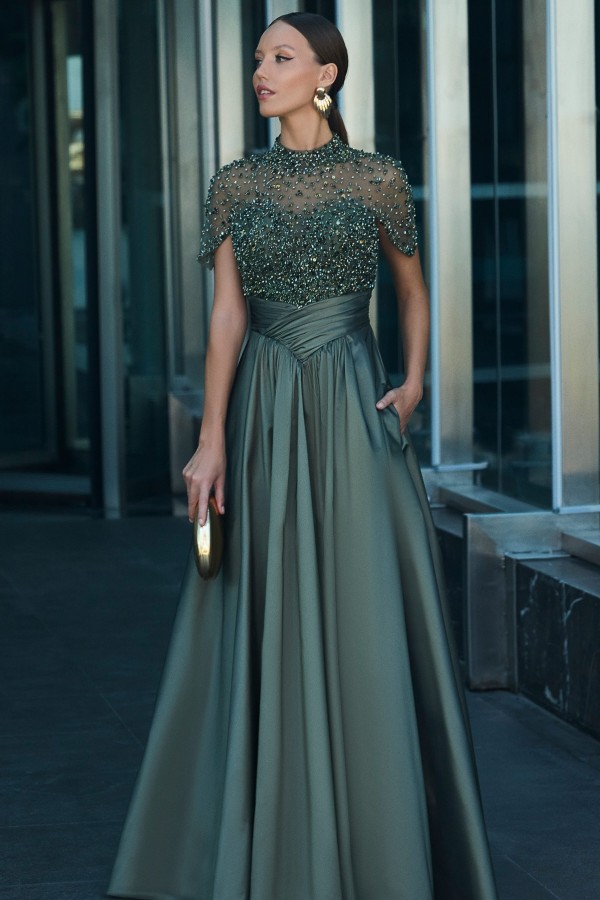
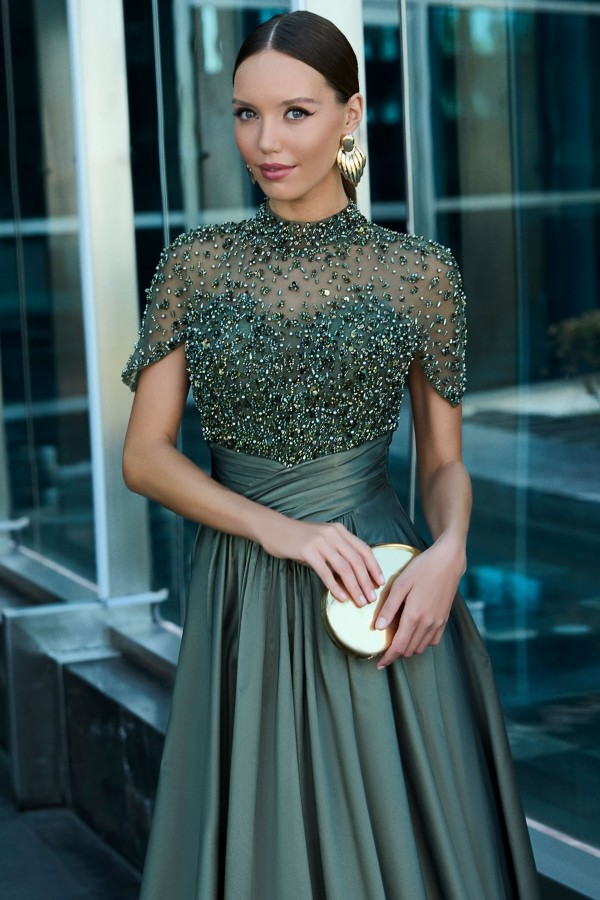
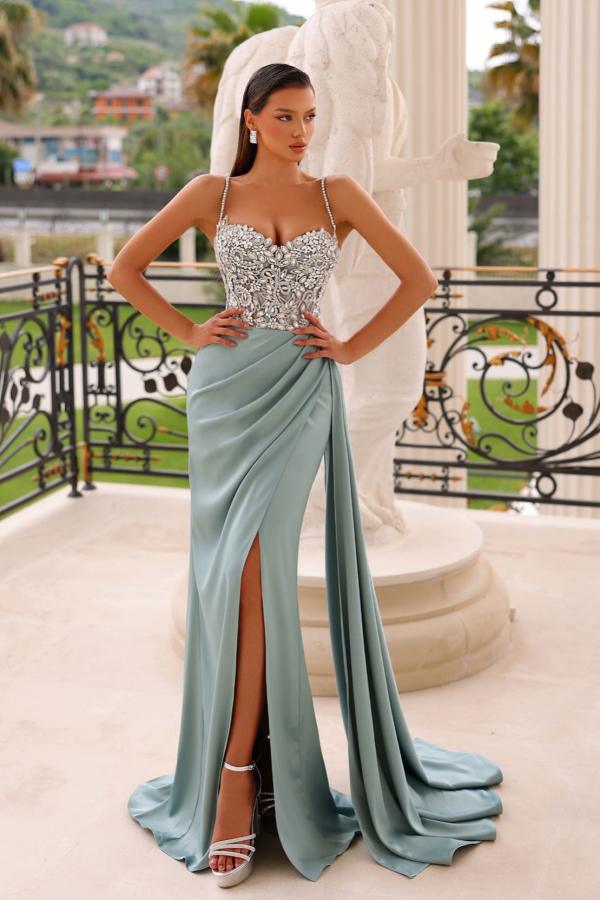
Green prom dress – with an embellished bodice.
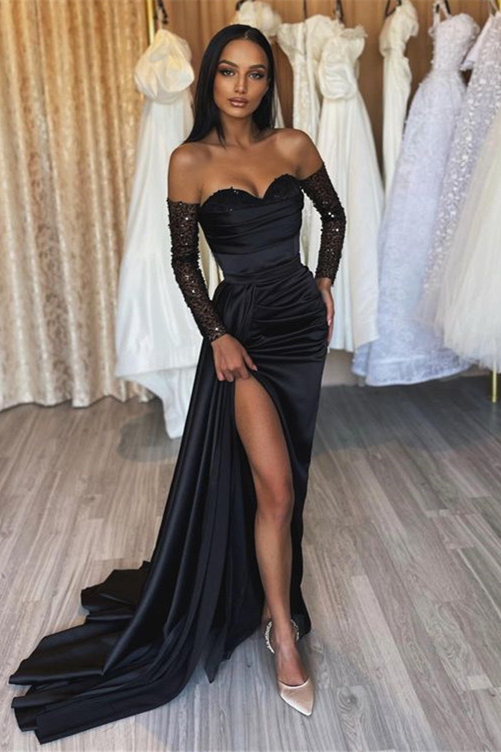
Black prom dress – with embellished sleeves.
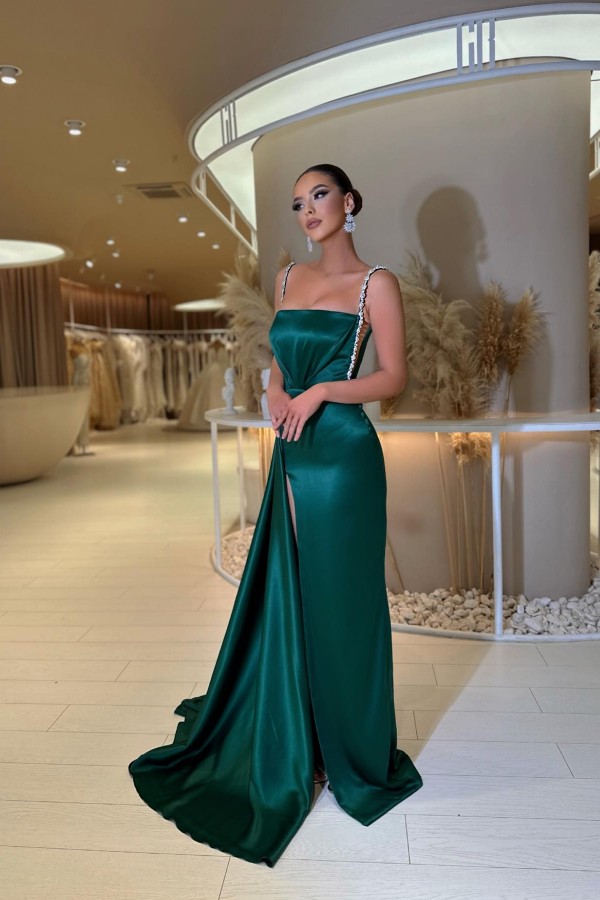
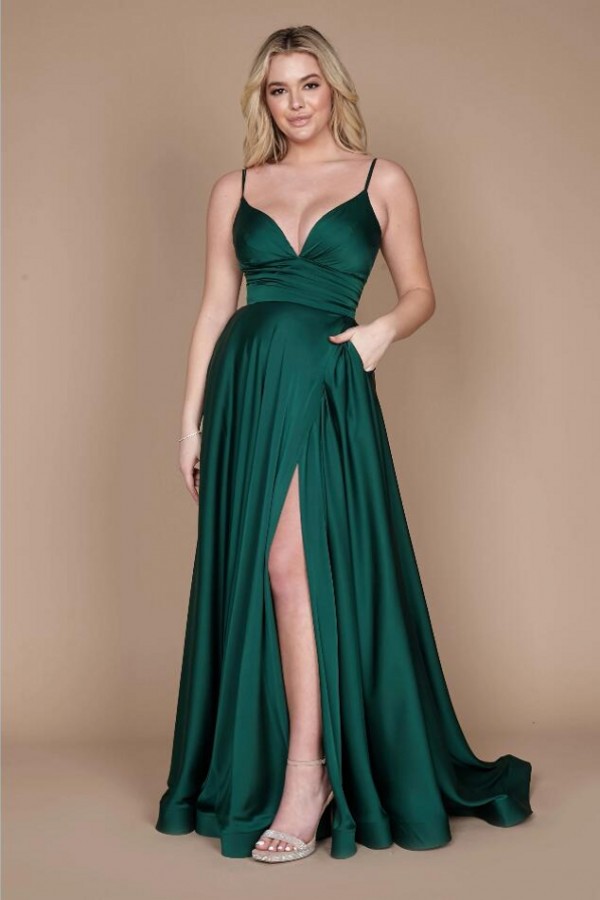
Dark green satin prom dress – with thin straps.
You can find the complete selection under prom dresses.
You can find the complete range on Babyonlinedress.de.
For another design perspective, see the article about glitter looks for prom for additional inspiration. This guide focuses on comparing visible surfaces.
Frequently asked questions
How can I recognize an all-over satin sheen?
Satin sheen often creates larger light and dark areas along the folds. How prominently they appear also depends on the lighting, cut, and movement of the particular dress.
Why isn’t glitter a precise material specification?
Glitter initially describes a visual effect rather than the fabric’s complete construction. Therefore, check the details and close-up images of the specific model before classifying individual reflections as sequins or beads.
What is the fabric of a satin dress made of?
Satin refers to a textile weave and does not define the fiber composition. The exact composition must be checked in the details for the selected dress.
How can I compare the level of shine effectively?
Compare the same areas under different lighting conditions and while the dress is moving. Similar image sections can help you distinguish the surface’s appearance from differences caused by photography.
Which areas should I check when trying on a dress?
Pay particular attention to the underarms, neckline, and waist, as well as the skirt’s freedom of movement. Edges and trims may stand out in these areas even if the surface looks appealing in a full-length photo.
Where can I find dresses to compare for my graduation ball?
Start with the graduation ball dresses from babyonlinedress and sort your favorites by all-over sheen, reflections, and trim. Then check the description, size comparison, and personal feel when worn for each model.
About the Author
Lisa Müller writes the babyonlinedress guides on bridalwear, eveningwear, and fit. She explains how the cut, fabric, and visible details work together when choosing a dress.