
The difference lies below the waist: A ball gown has volume in the skirt, while an evening dress follows the body line. Everything else – length, color, degree of shine – is equally possible for both. Those who know the occasion have already made the decision: large halls can accommodate volume, while small spaces cannot.
The most important points at a glance
| Feature | Ball gown | Evening dress |
| Skirt | Volume, often multilayered | Flowing or form-fitting |
| Occasion | Ball, gala, prom | Dinner, reception, theater |
| Space | Large hall, high ceilings | Also smaller rooms |
| Movement | Dancing yes, sitting awkward | Sitting good, dancing depending on the cut |
Rule of thumb: Start looking 4 to 6 weeks before the occasion and plan 2 to 3 weeks for alterations. For ball gowns, the hem length is the critical value, as it must be precisely matched to the heel height.

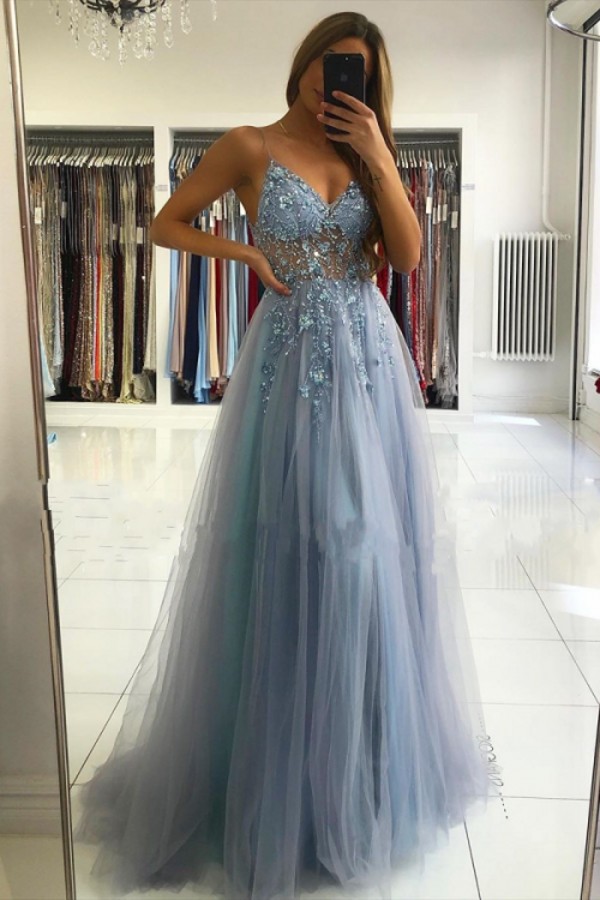
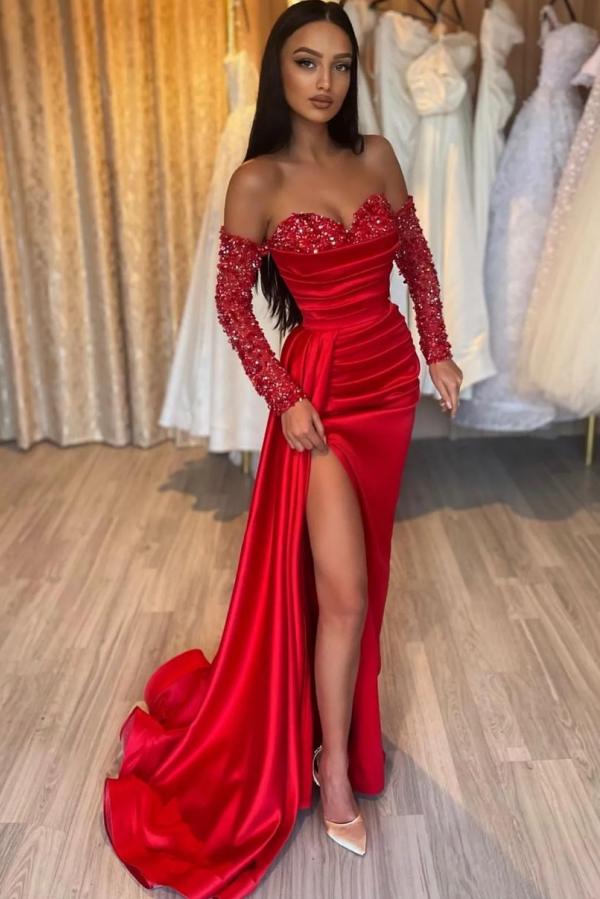
What distinguishes a ball gown from an evening dress?
The silhouette is the actual difference
A ball gown is defined by the skirt: starting from the waist, volume builds up, supported by several layers of tulle, organza, or stiff satin. The effect is upright and expansive; the dress retains its shape even when you stand still.
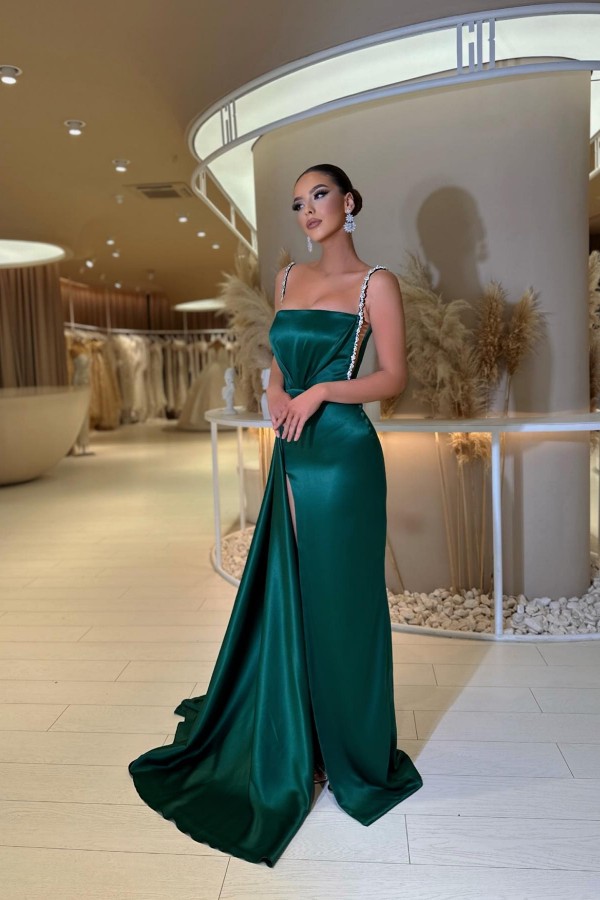
The evening dress works in reverse. The fabric follows the body, either falling straight down or hugging the figure closely. This makes it appear narrower and calmer, but it also requires more precision in fit, as nothing is concealed by the shape.
Fabric layers and volume
The practical difference is evident in weight. A fully flared ball gown quickly weighs two to three kilograms because of the underlay and possibly a petticoat. A flowing evening dress weighs a fraction of that.
This is not a trivial matter: during an evening of six hours, you will notice the difference, especially in the shoulders, if the top is strapless.
Where the terms blur in commerce
In online shops, both words are often used synonymously, especially for prom models. Therefore, do not rely on the designation, but on the product photo: If the skirt stands out from the body, it is a ball gown; if it falls vertically, it is an evening dress.
A hybrid type has also established itself: the A-line with moderate volume. It lies between both categories and is therefore the safest choice if you cannot accurately assess the setting.
The quickest test
Stand sideways in front of the mirror. If there is a noticeable gap between the leg and the fabric, it is a ball gown. If the fabric hugs or falls closely along the leg, it is an evening dress.
For which occasions does which cut fit?
Ball, gala, and opera ball
Classic balls between November and February are the natural environment for the ball gown. The halls are large, the ceilings high, and dancing actually takes place – volume appears balanced rather than exaggerated here.
At events with a specific dress code, it is worth taking a look at how evening attire is defined as a dress code – some balls require floor-length, while others allow calf-length.
Dinner, reception, and theater
At occasions with a lot of sitting and talking, the evening dress wins. In a restaurant or at a reception, a voluminous skirt is impractical because you have to navigate between chairs and standing tables.
A form-fitting or flowing model in a dark tone appears more elegant here and makes movement easier. Combined with more eye-catching jewelry, a festive appearance is still achieved.
Prom: both are possible
At prom, both cuts work; the decision depends on the schedule. If there is a formal ceremony with a stage and subsequent dancing, a ball gown will carry the evening. If the evening is more of a celebration with a buffet and DJ, an evening dress is more practical.
What details will be in demand in the upcoming season is described in our article on prom dresses 2027.
Evening wedding celebration
As a guest at an evening wedding, the evening dress is the more understated and thus more appropriate choice. A voluminous ball gown draws attention, which belongs to the bride and groom that evening.
For color, the usual rule applies: white, ivory, and cream remain reserved for the bride, even at very modern celebrations.
What matters in terms of fabric and fit?
Tulle, organza, satin
Soft tulle creates volume that sways while walking and is the most comfortable option for long evenings. Organza appears sharper and holds its shape more strictly, while stiffer satin provides the clearest silhouette but does not forgive fit errors.
For evening dresses, crepe with a slight elastane content and firm satin are the most reliable materials because they provide structure while still allowing movement.
The bodice supports the skirt
The more volume hangs below, the more important the construction above becomes. A corset with boning and clean lining keeps a heavy ball gown in place all evening, while a simply lined bodice slips after a few hours.
If you find strapless too insecure, wide straps or lace sleeves are the more stable solution. The support then does not come solely from the tension in the bodice.
Check freedom of movement beforehand
Sit down during the fitting, stand up again, and step up a step. With ball gowns, it shows whether the petticoat tilts upwards when sitting – a classic problem that can be solved with a soft underlayer instead of a structured one.
For form-fitting evening dresses, check the stride length instead. If you have to take significantly shorter steps, you need a slit or a softer cut.
Length and heel height decide together
Both cuts are usually floor-length, and for floor-length, the hem should just touch the floor but not rest on it. Therefore, set the shoes before the alteration, not after.
For ball gowns, it is added that the volume slightly lifts the hem in front. If in doubt, calculate one centimeter more length than for a straight evening dress.
Why at babyonlinedress the measurements decide for both cuts
Ball gowns and evening dresses have different requirements for fit but meet at one point: the bodice. For both, the fit of the bust and waist determines whether the dress will last through the evening or needs constant adjustment.
Therefore, we provide specific measurements for bust, waist, and hips for each model instead of just naming a dress size. In EU sizes from 34 to 46, choose according to your measured values and orient yourself, if in doubt, to the largest of the three.
For length, state your height including the planned heel height. Especially with voluminous skirts, this is the value that most often leads to rework if it is missing.
Suitable dresses from our shop
Six models from both categories – from voluminous ball gowns to calm evening dresses for smaller rooms.
Blue ball gown with wide skirt – classic ball silhouette in deep blue.
Light blue dress with lace sleeves – sleeves provide support, ideal for cool halls.
Simple long evening dress – calm line for dinner and reception.
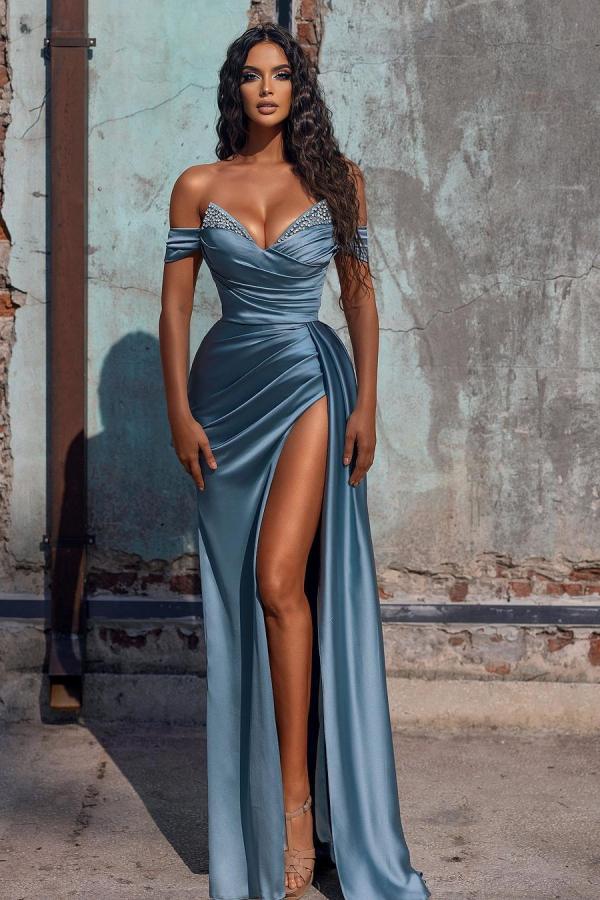


Brown evening dress, simply cut – unusual tone, very wearable.
Dark blue dress with lace – form-fitting, for occasions with a lot of sitting.
Black dress with lace sleeves – the most understated variant in the range.
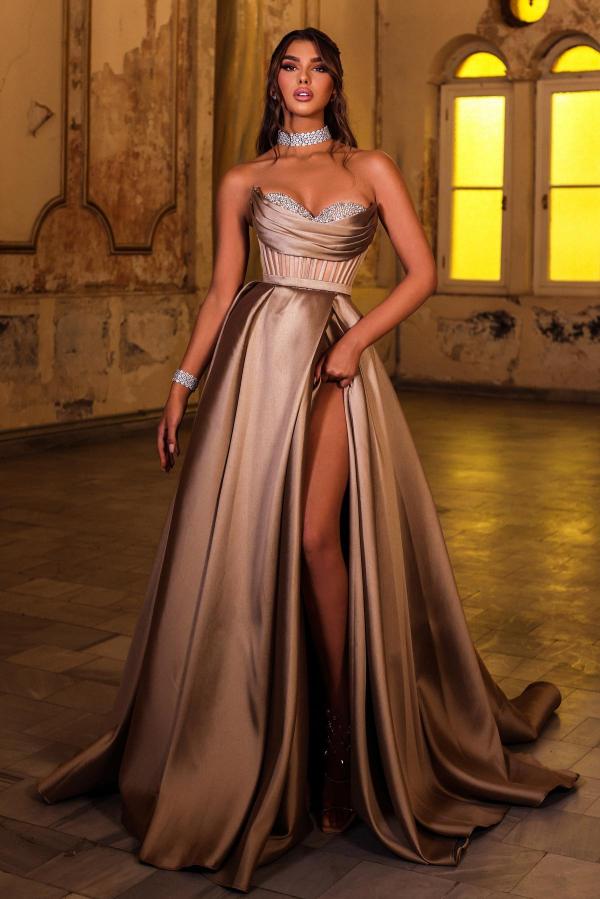
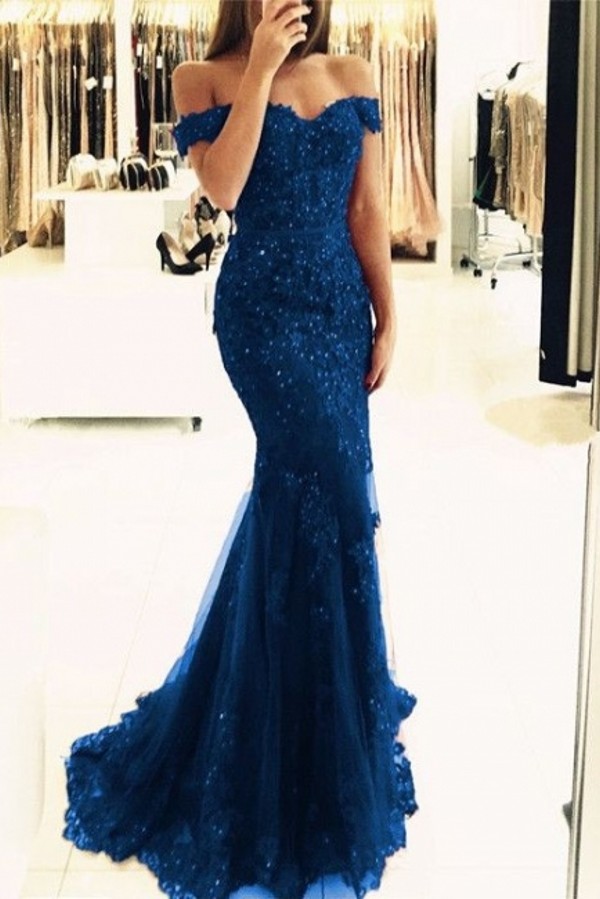
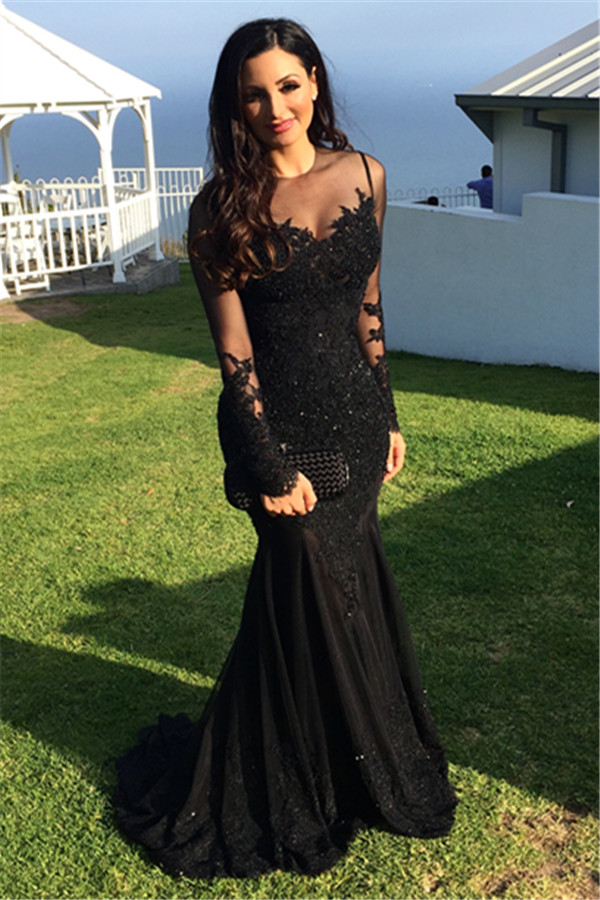
You can find the complete selection under ball gowns. Calmer cuts are available in elegant evening dresses, sparkling models under evening dresses with glitter.
The complete range can be found at Babyonlinedress.de.
How much a dress can shine also depends on the setting – more on this in our article about glitter dresses for New Year's Eve.
Frequently asked questions
What is the difference between a ball gown and an evening dress?
The ball gown has volume in the skirt, while the evening dress follows the body line. Length, color, and degree of shine can be the same for both.
Which cut is suitable for a classic ball?
At balls with a large hall and dance floor, a ball gown appears balanced. In smaller rooms, the same dress quickly appears oversized.
Can you sit well in a ball gown?
Only to a limited extent, especially with a petticoat. Several layers of soft tulle instead of a structured underlayer make sitting significantly more comfortable.
What does a guest wear to an evening wedding?
An evening dress is the more appropriate choice there because it appears more understated. White, ivory, and cream are reserved for the bride in any case.
How long should a ball gown be?
Floor-length, with the hem just touching the floor but not resting on it. Set the shoes before the alteration, as volume slightly lifts the hem in front.
Where can I find ball gowns in my size?
A good starting point is our selection of ball gowns in EU sizes from 34 to 46. Measurements for bust, waist, and hips are provided for each model.
About the author
Lisa Müller has been writing about bridal fashion, evening wear, and festive occasions for several years, focusing on fit, silhouettes, and fabric knowledge. Her focus is on how cut, material, and tailoring make a dress look in real life – not just in the product photo.

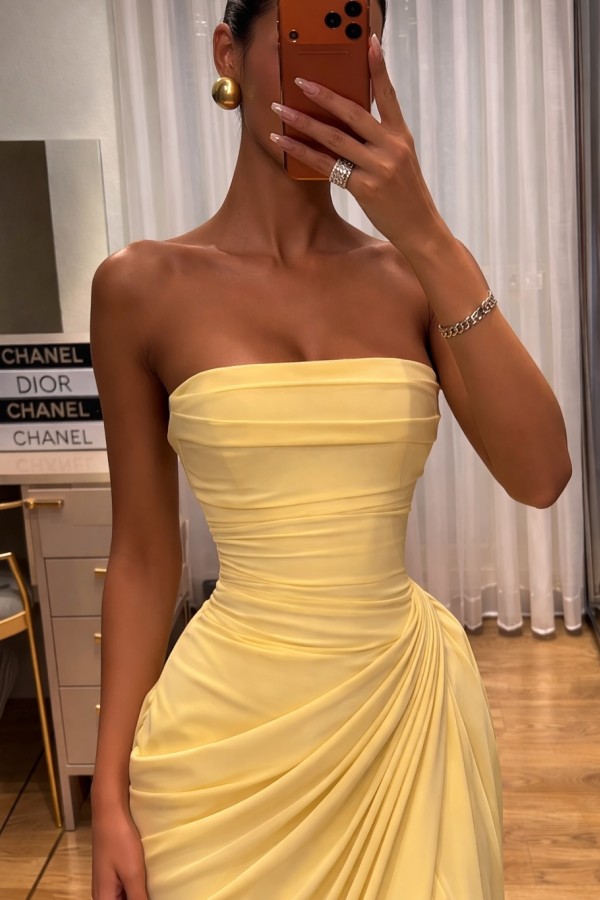
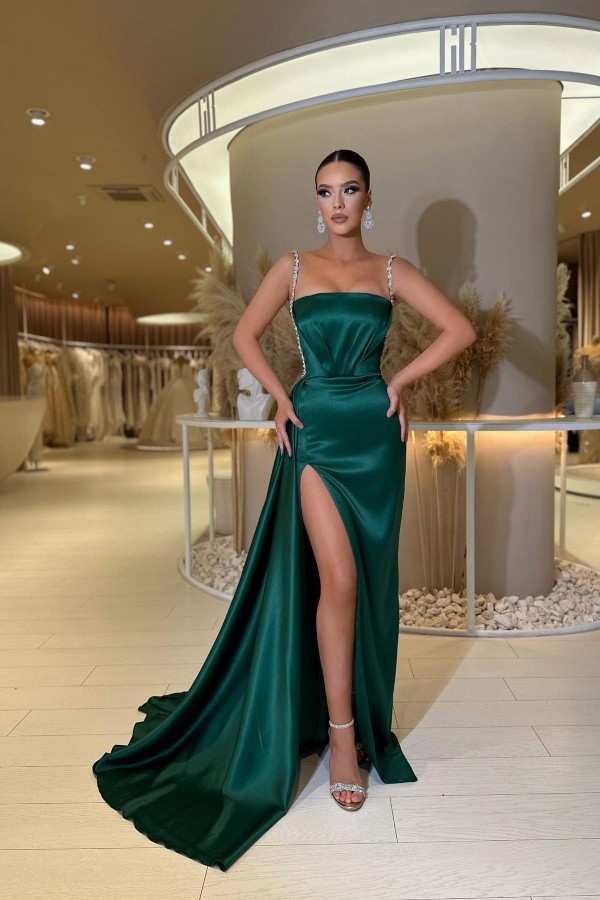
-(1)-conew1.jpg?w=600&h=900)
-conew1.jpg?w=600&h=900)
-conew1-12.jpg?w=600&h=900)
-conew1-13.jpg?w=600&h=900)