
For all three occasions, the same basic rule applies: knee-length to midi, muted or light colors, shoulders covered. The difference lies less in the clothing than in the setting – confirmation and confirmation take place in the church, while the youth consecration occurs in a secular banquet hall, allowing for a bit more leeway.
The most important points at a glance
| Occasion | Background | Clothing |
| Confirmation | Protestant, around 14 years | Knee-length, shoulders covered |
| Confirmation | Catholic, 12 to 16 years | Like confirmation, often a bit more formal |
| Youth consecration | Secular, especially in East Germany | A bit freer, festive remains mandatory |
| All three | Spring, usually April to May | Plan for sleeves or a bolero |
Rule of thumb: Order 8 to 10 weeks before the date and measure again 2 to 3 weeks prior. At this age, teenagers grow noticeably in just a few weeks, and the hem can be adjusted on short notice – the shoulder width cannot.
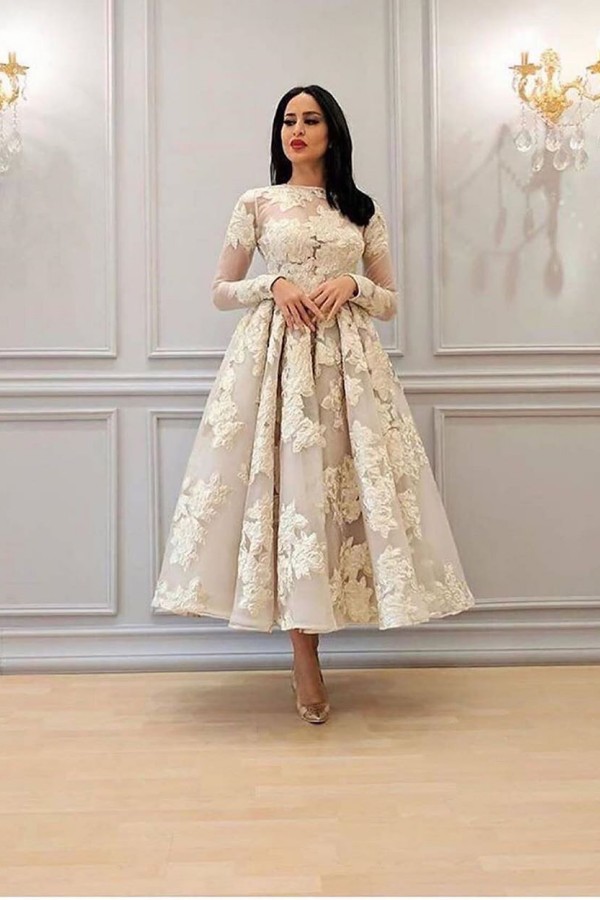
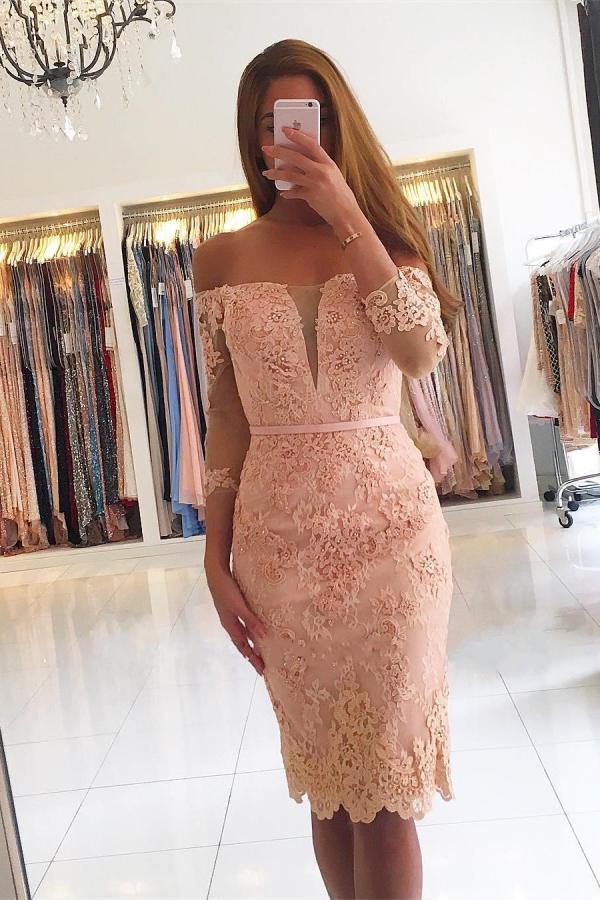

What are the differences between confirmation, confirmation, and youth consecration?
Confirmation – Protestant
Confirmation is the Protestant celebration where teenagers confirm their baptism around the age of 14. It takes place during a church service, usually on a Sunday between March and May, and is then celebrated with family.
Further information about the process can be found at the Protestant Church in Germany, which supports the celebration content-wise and describes regionally different traditions.
Confirmation – Catholic
Confirmation is the Catholic counterpart and is usually celebrated between the ages of 12 and 16. It is administered by a bishop or an appointed priest and also takes place within a church service.
There are hardly any differences in clothing compared to confirmation, but the setting often feels a bit more formal – a dress with sleeves or a bolero is almost always the right choice here.
Youth consecration – secular
Youth consecration is not a church celebration but a secular event marking the transition to adolescence. It is especially common in the eastern German states and takes place in halls, theaters, or cultural centers.
Since there is no church service involved, colors and cuts are a bit freer. Nevertheless, the clothing remains festive: it is an official setting with a stage, speeches, and photos.
Why the difference in clothing matters
The practical core: At confirmation and confirmation, you sit in a church, often cool and with an eye on modesty. At youth consecration, you sit in a hall. This determines sleeves, length, and how bold the color can be.
Regionally, there are also differences. In some communities, all confirmands wear a robe over their own clothing, while in others they do not. A quick call to the parish office clarifies this before you choose a dress – with a robe, what sits comfortably underneath is especially important.
What should the girl wear?
The length: knee-length or midi
Knee-length is the most reliable length for all three occasions. It looks festive without being too grown-up and works just as well when sitting as when walking forward for the blessing.
Midi is the second good option, especially if the dress is simply cut. Floor-length models, on the other hand, quickly appear like evening wear at this age and in this setting.
Color: White is possible but not mandatory
White has tradition at confirmation but is no longer required. Soft pink, light blue, sage green, and cream are also common and can be worn again later more easily.
Bold signal colors and striking patterns are less suitable, as the occasion is focused on the child, not the dress.
Sleeves and coverage in the church
In churches, there is an unwritten rule to cover shoulders. A dress with sleeves solves this most easily; a bolero or a fine cardigan is the flexible alternative – both can be removed for the celebration afterward.
Practically, it adds up: churches are often cool in spring, and the ceremony lasts a good hour.
The transition to the celebration afterward
Many families continue the celebration at a restaurant or at home afterward. A dress that looks church-appropriate with a bolero and festive without one saves the change – it is more convenient than two outfits on a long day.
Those who want to treat the child to something shinier for the evening can choose a second, simple model with subtle glitter instead of a completely different look.
What should the mother and guests wear?
Not more conspicuous than the child
The most important rule for adults is: be a bit more reserved than the teenagers. The day belongs to them, and it is immediately noticeable in group photos if an adult companion stands out.
A knee-length dress in a muted tone, a pantsuit, or a two-piece are the safest options.
Colors that work
Navy, sage green, gray, burgundy, and muted blue fit all three occasions. Black is possible but appears strict when worn alone – with a colored scarf or light blouse, it becomes softer.
If in doubt, briefly coordinate with the other parents. Two mothers in the same bold tone stand out in group photos, and the effort for this coordination is significantly smaller than the annoyance afterward.
What to avoid
Very short lengths, deep necklines, and large sequin areas do not fit into a church service. Pure white is also tricky for adult guests if the child is wearing white – the combination appears unclear in photos.
At youth consecration, the boundaries are wider, but the setting remains official.
If the celebration continues at the restaurant
The same outfit is sufficient for the afternoon at the restaurant. A change is only worthwhile if the celebration transitions to a larger setting in the evening – then it can become a bit more festive.
Why measurements at babyonlinedress matter particularly for teenagers
Between the ages of 12 and 16, body measurements change faster than in any other life stage. A dress size that fits in February may be too tight in May – especially at the bust and shoulders.
That is why we provide specific measurements for bust, waist, and hips for each model, rather than just naming a label size. In EU sizes from 34 to 46, choose based on measured values and, if in doubt, orient yourself to the largest of the three.
For dresses with a firm bodice, we additionally recommend checking the shoulder width. This is the value that is hardest to change afterward, while hem and waist can be adjusted easily.
Suitable dresses from our shop
Six models for church and celebration – from simple and covered to subtly festive for the evening.
Light pink sheath dress with sleeves – covered, simple, ideal for the church service.
Pink dress with lace – fine lace, without looking too grown-up.
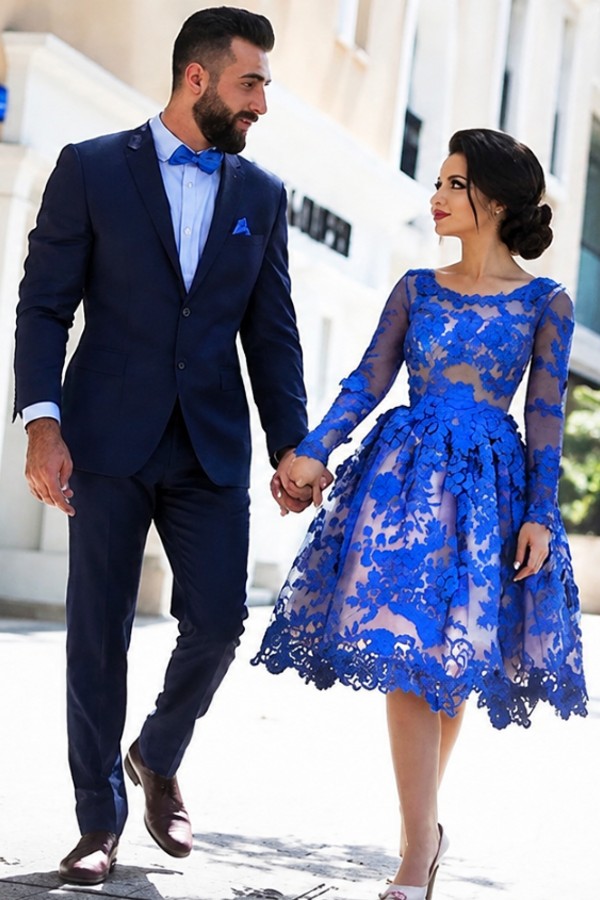
Royal blue dress with lace sleeves – bolder color for youth consecration.
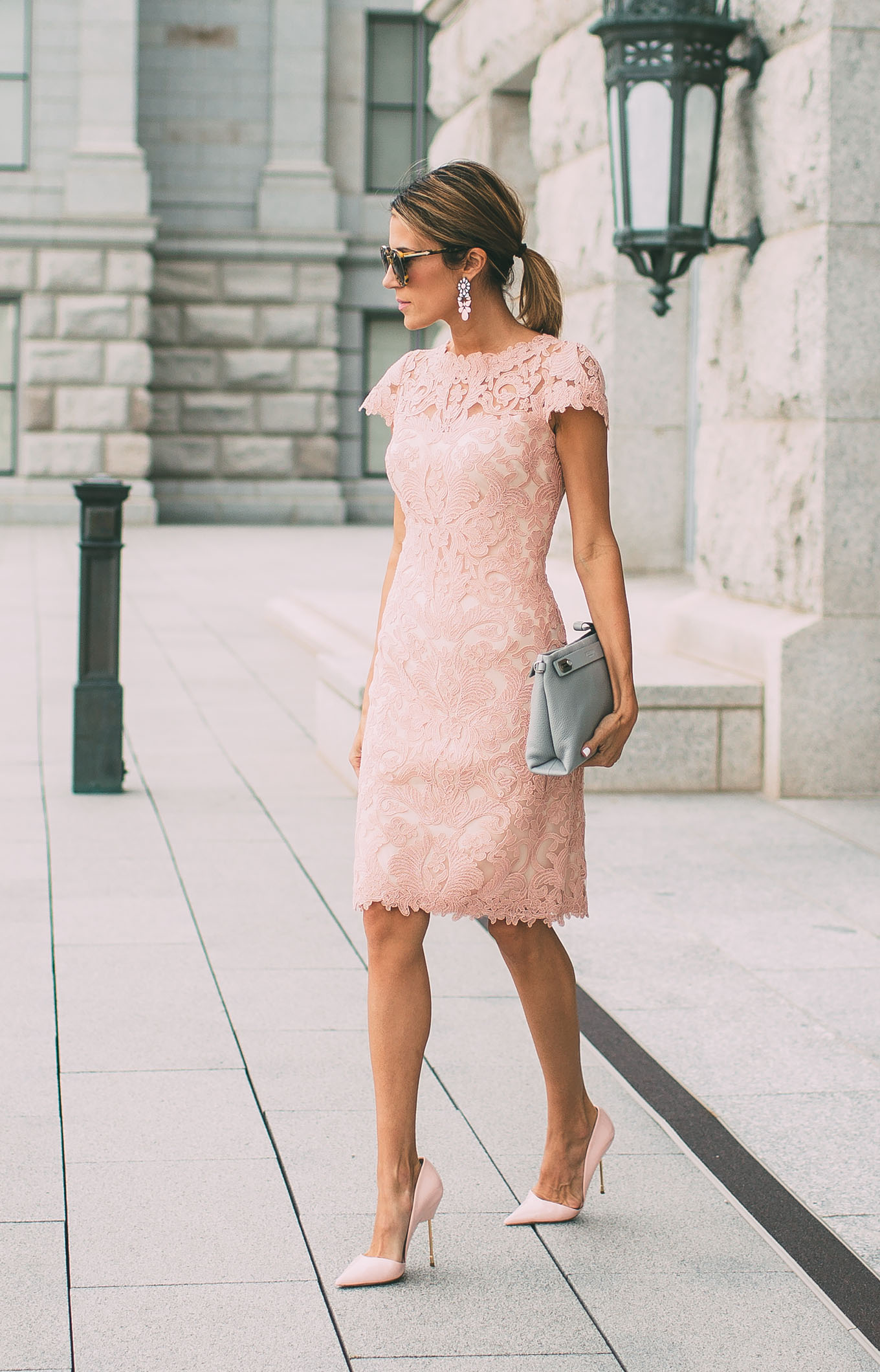
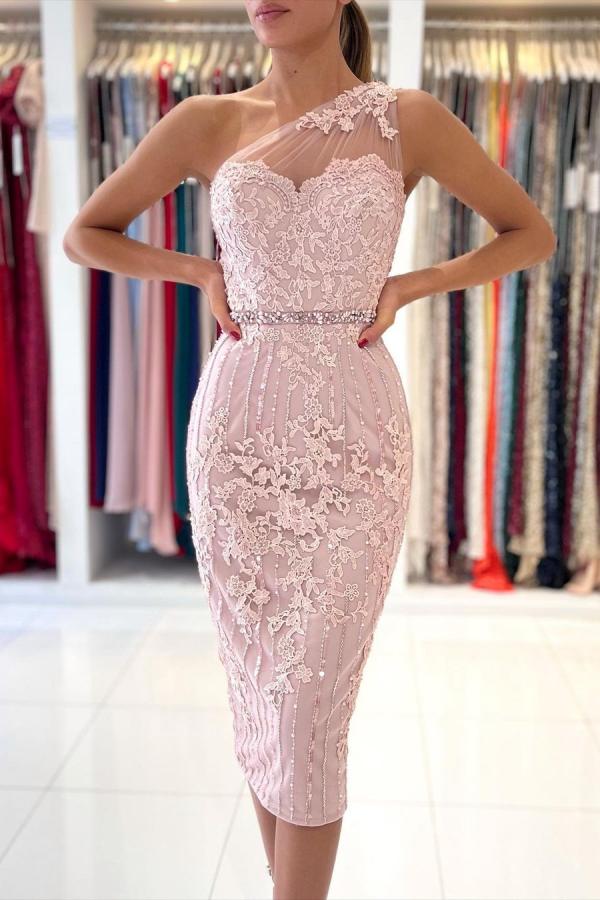
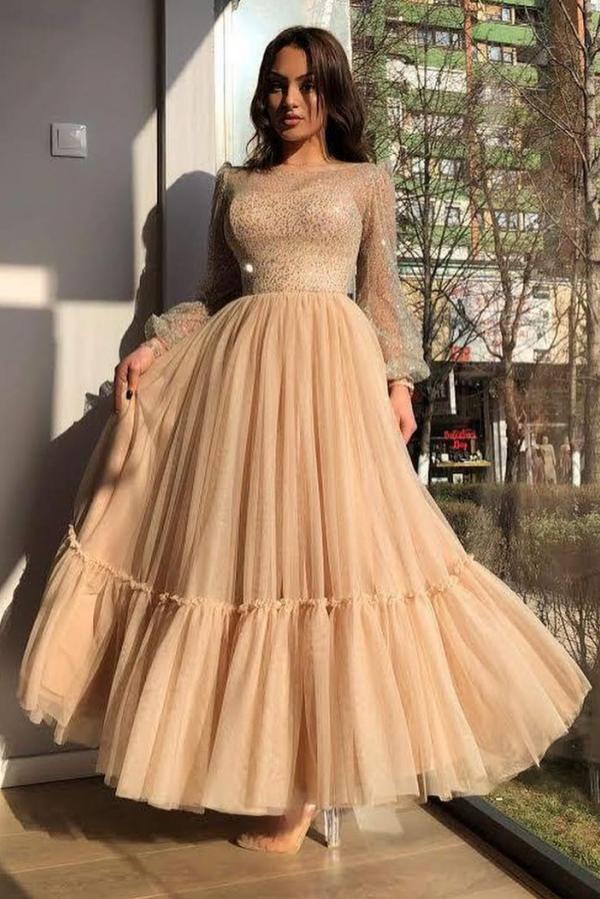
Short dress with subtle glitter – for the evening celebration.
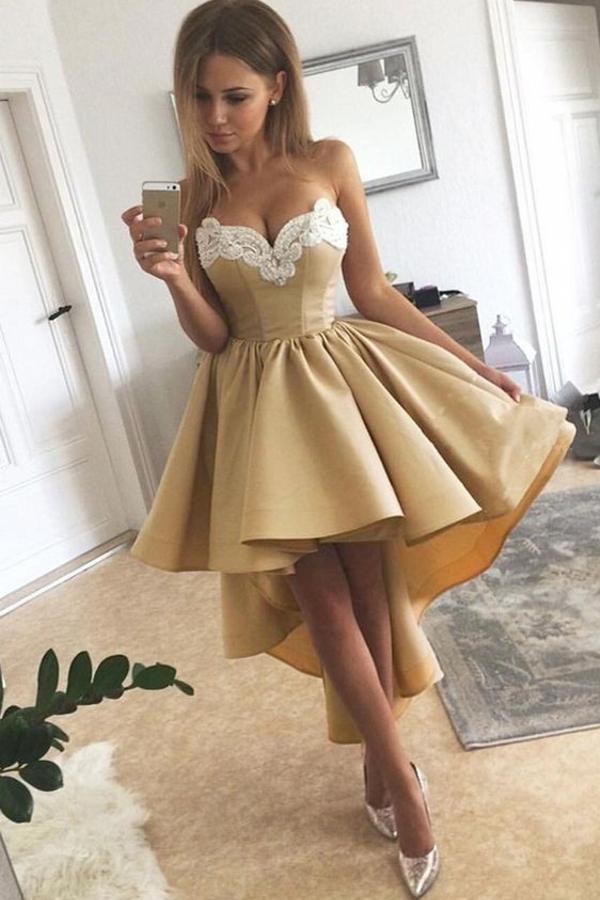
Light dress for the evening – festive tone, simple cut.
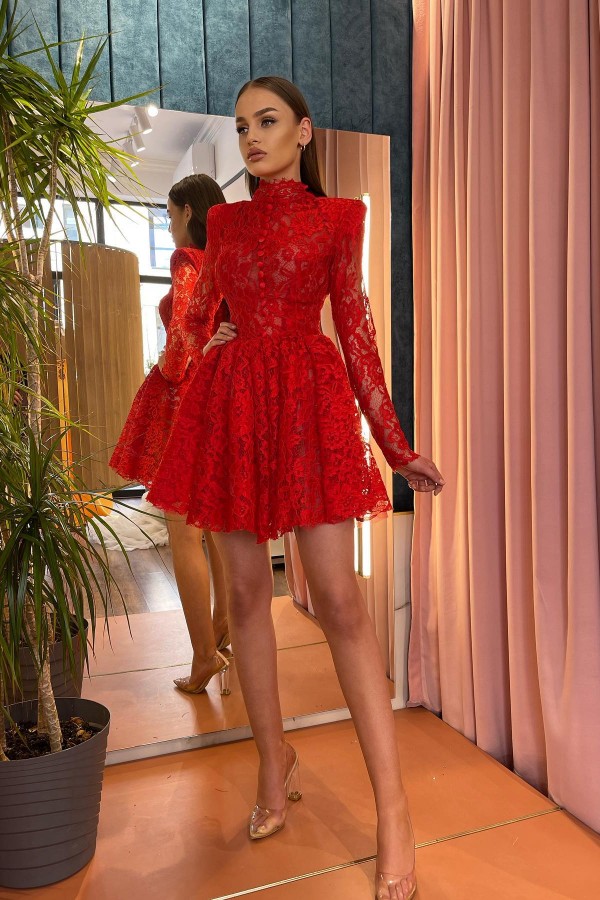
Dress with lace and sleeves – for mothers and adult guests.
You can find the complete selection under Cocktail dresses. Longer models for adult guests are available in elegant evening dresses.
You can find the complete range at Babyonlinedress.de.
How to choose size and fabric for younger children is described in our article on the flower girl dress.
Frequently asked questions
What is the difference between confirmation and confirmation?
Confirmation is the Protestant celebration around the age of 14, while confirmation is the Catholic counterpart between 12 and 16. There are hardly any differences in clothing.
What is youth consecration?
Youth consecration is a secular celebration marking the transition to adolescence, especially common in East Germany. It has no religious background and takes place in halls.
Does the dress for confirmation have to be white?
No, white has tradition but is not mandatory. Soft pink, light blue, sage green, and cream are also common and can be worn again later more easily.
What length is appropriate?
Knee-length is the most reliable length for all three occasions, with midi being the second good option. Floor-length models quickly appear like evening wear in this setting.
What should the mother wear?
A bit more reserved than the child: knee-length dress in a muted tone, pantsuit, or two-piece. Pure white is tricky if the child is wearing white.
Where can I find suitable dresses for these occasions?
A good starting point is our knee-length models with sleeves in EU sizes from 34 to 46. Measurements for bust, waist, and hips are provided for each model.
About the author
Lisa Müller has been writing about bridal fashion, evening wear, and festive occasions for several years, focusing on fit, silhouettes, and fabric knowledge. Her focus is on how cut, material, and tailoring make a dress look in real life – not just in the product photo.

-(1)-conew1.jpg?w=600&h=900)
-conew1.jpg?w=600&h=900)
-conew1-12.jpg?w=600&h=900)
-conew1-13.jpg?w=600&h=900)