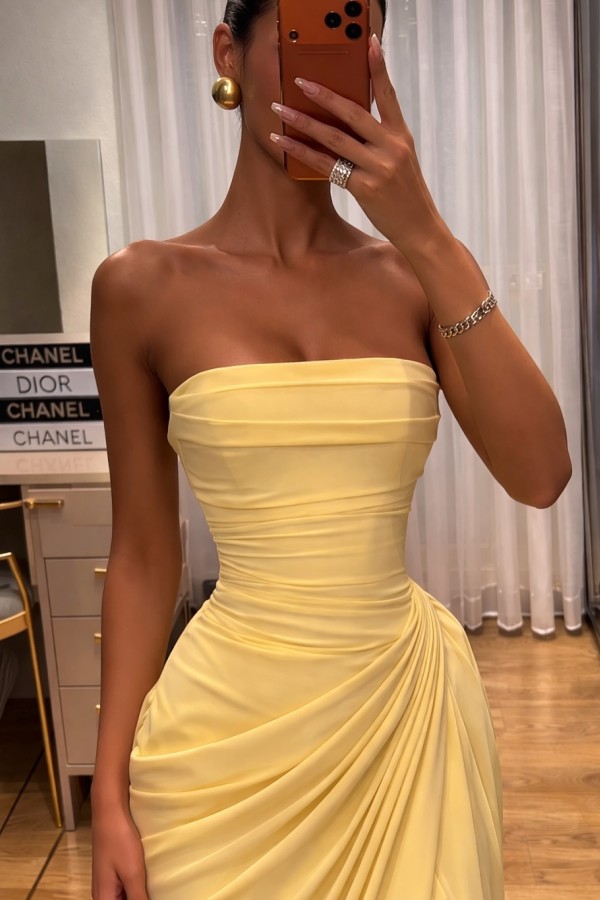
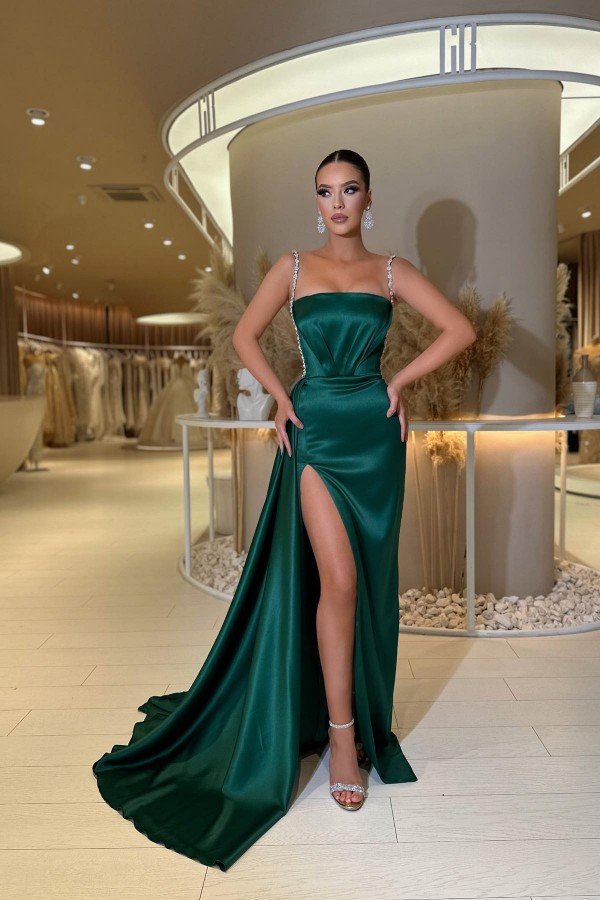
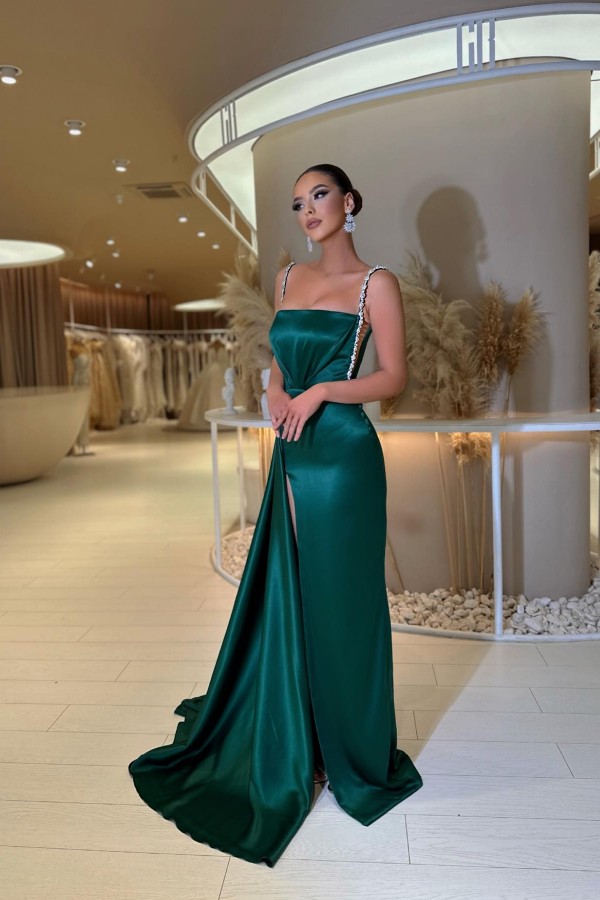
Satin influences the silhouette through its drape, malleability, and light reflections. A softly draping satin follows movement differently from a firmer version, which can hold a flared skirt line more clearly.
The fabric name alone therefore does not reveal how a satin wedding dress will look on you. Also examine the skirt construction, waist seam, and direction of the pleats; only their interplay explains the visible shape.
The essentials at a glance
| Fabric drape | Assess soft movement and held shape separately. |
| Shine | Do not confuse bright reflections with additional volume. |
| Cut | Follow seams, darts, and pleats back to their origin. |
| Material | Satin refers to a type of weave and is not synonymous with silk. |
Rule of thumb: The 4-point satin comparison: Assess the skirt drape, waist seam, light reflections, and freedom of movement separately. Note one observation for each point before weighing two models against each other.


How does satin drape change the visible skirt line?
Distinguish between softly draping and shape-holding versions
Start at the skirt and follow the line from the waist to the floor. If the fabric falls in narrow, flexible waves, the contour looks different than with broad, still-standing surfaces. This is initially an observation, not yet a statement about the fabric’s weight.
A photo does not provide reliable information about the fabric’s weight or hand. Lining, a petticoat, and the pose also influence the visible drape. Consult any available material information rather than concluding from a single image that the satin is heavy or lightweight.
If you want a distinctly flared shape, look for a corresponding skirt construction. If you prefer a softer line, consider models with less visible structure. The term satin can apply to both and does not replace this comparison.
Do not equate skirt fullness with weight
A full skirt does not necessarily have to be made of particularly heavy satin. Its shape may come from pattern pieces, pleats, and additional layers. Conversely, a narrow silhouette says little about how much material has been used throughout the dress.
Pay attention to where the fullness begins. Large pleats starting directly at the waist distribute fabric differently from panels that only open farther down. Compare these starting points when two dresses appear similarly full at first glance.
The overall construction is important for how the dress feels to wear. During a fitting, check how the skirt and bodice move together. A visually generous skirt may feel different once you sit, take steps, or turn around.
Use the side view to assess the shape
From the front, some satin skirts look similar, while clear differences appear from the side. Observe how much space the fabric takes up in front of and behind the body. The transition to a possible train is also clearer from this angle.
A skirt pulled toward the back or a panel of fabric held by hand changes the image. Therefore, look for additional views showing the dress in as natural a stance as possible. The photographic presentation may be appealing, but it should not be the sole basis for your idea of how the dress moves in everyday situations.
Assess the hem together with the overall length. When fabric rests on the floor, additional waves form. These are not reliable evidence of a particular stiffness and do not predict how the dress will fall with the heel height you plan to wear.
What role do seams, pleats, and shine play?
Distinguish construction lines from lines of light
On a smooth satin surface, light and dark areas can appear very pronounced. Follow a suspected seam across several views. If the line remains visibly structural, it is more likely to be classified as a design detail than a changing bright reflection.
Darts and panel seams shape a bodice, while a fabric fold can also result from posture. Zoom in on the waist and bust area without using this to diagnose how the dress would fit your body. The image initially shows only the model being presented.
A discreetly decorated surface is therefore not automatically simple in construction. Especially with a minimalist satin wedding dress, seam placement, bodice shape, and the skirt join strongly influence the overall impression. Pay particularly close attention to these lines in such models.
Identify intentional pleats and unwanted pulling
An intentionally placed pleat has a clear starting point and is part of the design. Check whether several pleats emerge in an orderly way from the same seam or a visible insert. Then compare whether this construction remains recognizable in other views.
During a fitting, taut lines across the bust, hips, or closure are a reason to examine the fit more closely. However, a single fold does not prove an incorrect size or a flaw. Posture, undergarments, and the specific cut all work together.
Do not constantly smooth the fabric with your hand to create a flattering still image. Take a few normal steps and look at the dress again afterward. This makes it easier to assess whether the shape remains comfortable and understandable in your usual posture.
Classify shine as part of the contour
A bright reflection can make a fabric surface stand out more without there being more fabric in that area. Therefore, do not assess the silhouette solely by its brightest points. The outer contour and the actual direction of the pleats provide additional guidance.
Compare photos with similar lighting whenever available. A side-lit image emphasizes curves and pleats differently from even lighting. A major difference in brightness does not automatically mean a difference in color or quality.
Decide how much of a role you want shine to play in your overall look. If you want to emphasize the dress’s lines, understated accessories may be a good choice. Additional sparkling elements create more points of light and thereby change the visual balance.
What should you consider regarding material and movement?
Read satin and fiber composition separately
Satin refers to a type of weave, whereas silk is a fiber. A satin wedding dress is therefore not a silk dress simply because of its name. For assessing the material, refer to the specific composition whenever it is provided for the selected model.
Do not infer automatic stretch from the word satin either. Whether a fabric stretches must be checked for the specific design. A close-fitting shape in a photo proves neither the presence of stretch fibers nor a particular degree of freedom of movement.
If information important to your decision is missing, leave the question explicitly open. Terms such as soft, fluid, or glossy describe impressions, but they do not replace a complete composition. Do not confuse an appealing surface with a confirmed material property.
Take undergarments and movement into account
A smooth outer surface can reveal the contours underneath. Therefore, assess how it works with the undergarments you plan to wear with the dress. What matters is whether their edges are noticeable in your normal posture and whether everything feels comfortable.
During a fitting, sit down fully and stand up again. Then move your arms forward and take a few steps. Pay attention to pulling at the closure, how the bodice sits, and whether there is enough room for your usual movements.
Also observe whether you repeatedly feel the need to adjust the dress. A bodice that only stays in place with a particular shoulder position deserves closer examination. Maintaining a permanently rigid pose is not a sensible requirement for your choice.
Assess care requirements based on the finished dress
Do not apply a known treatment indiscriminately to every satin dress. The finished design may include lining, interlining, and embellishments that must be considered together. The outer fabric is only one part of this decision.
GINETEX points out that construction and features also influence care requirements. The instructions for the specific dress are decisive.
Do not try heat, steam, or stain remover simply because a similar satin surface previously tolerated the treatment. First read the care label provided. If anything remains unclear, a professional assessment is better than a trial based on guesswork.
How do you compare satin wedding dresses at babyonlinedress?
Choose two similar silhouettes as a starting point
In the babyonlinedress wedding dress selection, first choose two models with a similar basic shape. Comparing similar skirts makes differences in the visible drape of the fabric easier to identify than switching between a slim and a very full silhouette at the same time.
Record the same observations for both models: the waistline, where the skirt begins to flare, and the type of visible folds. Separately add which material details are actually provided. This prevents photographic impressions from being mixed with confirmed information.
Once you have found a favorite, deliberately look for an alternative with only one different feature. This could be a smoother skirt or a more defined waistline. This way, you can determine whether the satin drape or the cut is the main factor influencing your choice.
Read product images as a sequence rather than as individual pictures
Start with the full view, then examine the waist area, and finish with the back and side views. This order keeps the silhouette as your point of reference. An attractive detail is less likely to distract you from the shape that actually matters to you.
When you notice prominent bright areas, note whether they show a reflection or a fixed fold. If this cannot be clarified from the images, do not treat it as a confirmed feature. Even high-quality product photos cannot fully show how the dress actually feels when worn.
The following models provide useful starting points for this comparison. In each case, what matters is the visible interaction between the bodice and skirt, not a general quality judgment based solely on the shine. Include the specific product page in your shortlist.
Summarize the desired effect in one sentence
Finally, write down what you are looking for, such as a defined waist with a softly draping skirt or a structured A-line with smooth surfaces. This sentence is more precise than a general search for an elegant satin dress and will help with further comparisons.
Rank your favorites according to which model most clearly fulfills this preference. Keep missing information listed as open questions alongside them. You do not have to assume a feature just to make a selection on the screen appear complete.
A convincing satin wedding dress combines the desired drape with a comfortable fit. When the contours, movement, and material details work together, the shine has a clear place in the overall look. It then supports your choice rather than determining it on its own.
Matching dresses from our shop
Short satin wedding dress – with a flared skirt.
Satin wedding dress with ruching – with a side slit.
Off-the-shoulder satin wedding dress – with lace sleeves.


Mermaid wedding dress – with a lace bodice.
Strapless satin wedding dress – with a full skirt.
Satin wedding dress with sleeves – with draping.


Find the complete selection at Wedding Dresses.
Find the complete range at Babyonlinedress.de.
For the next steps, the article on Choosing a Wedding Dress provides a targeted fabric comparison.
Frequently asked questions
Why do satin wedding dresses appear to have different volumes?
The skirt construction, folds, and fabric drape change the visible volume. The term satin alone does not indicate how much structure a particular dress has.
Why isn’t satin synonymous with silk?
Satin refers to a type of weave, while silk is a fiber. The fiber composition must be specified and verified separately for the specific model.
How can I recognize intentionally placed pleats?
Intentionally placed pleats have a clear, traceable starting point in the construction. Viewing the dress from multiple angles helps distinguish them from light reflections or temporary creases caused by posture.
Why should I view satin from the side as well?
The side view shows the three-dimensional shape of the skirt and the transition to a possible train. These details can differ significantly between two similar front views.
What is important when trying on a smooth satin dress?
Check your undergarments, the fit of the bodice, and your freedom of movement together. Sitting down, standing up, and walking will help you notice whether the fabric pulls or whether you constantly want to adjust the dress.
Where should I start when comparing satin wedding dresses?
Start with two similarly cut models from the babyonlinedress wedding dress collection. Comparing the skirt drape, waist, and pleats side by side makes the differences easier to see.
About the Author
Lisa Müller writes the babyonlinedress guides on bridalwear, eveningwear, and fit. She explains how the cut, fabric, and visible details work together when choosing a dress.